
The human eye is not only essential for vision but also serves as a unique indicator of general health. Many systemic diseases, such as diabetes, hypertension, and neurological disorders, manifest early signs in the eyes. This review explores the concept that the eyes are “windows to your health,” examining how ocular changes can reflect underlying health conditions, the importance of routine eye examinations, and how modern diagnostic tools in ophthalmology aid in early detection and prevention of disease.
Introduction
The phrase “The eyes are windows to your health” carries significance that extends far beyond simple poetic symbolism—it represents a profound and well-established medical truth that has long been recognized and embraced by physicians, optometrists, and healthcare professionals worldwide. Beyond their fundamental role in enabling vision and allowing us to perceive the world around us, the eyes serve as a uniquely insightful and revealing window into the overall internal condition of the body. The intricate and delicate network of blood vessels, nerves, and connective tissues that can be observed within the eyes provides essential and valuable clues that often indicate the state of cardiovascular health, metabolic function, and neurological well-being. As a result, comprehensive and thorough eye examinations are not only vital for assessing visual acuity and eye health but also play a crucial and indispensable role in the broader field of preventive medicine, helping to detect, monitor, and manage various underlying health issues before they escalate into more serious or life-threatening conditions.
The Eye as a Diagnostic Window
1. Visible Blood Vessels and Circulation
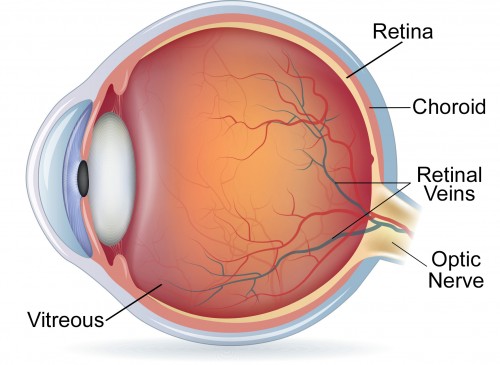
The retina is the only place in the body where blood vessels can be observed directly and non-invasively. Changes such as narrowing, leakage, or hemorrhage in retinal vessels can indicate hypertension, diabetes, or atherosclerosis. Ophthalmologists can detect these signs even before a patient experiences systemic symptoms.
2. Neurological Indicators
The optic nerve, which connects the eye to the brain, can reveal early signs of multiple sclerosis, brain tumors, and increased intracranial pressure. Swelling of the optic disc (papilledema) is often a warning signal of neurological disorders.
3. Metabolic and Autoimmune Clues
Eye findings can also serve as important indicators of various systemic diseases such as thyroid disorders, where conditions like exophthalmos cause noticeable protrusion of the eyes. Similarly, autoimmune diseases such as rheumatoid arthritis may manifest in the eyes through inflammation called scleritis. Another example is lupus, which can lead to retinal vasculitis, an inflammation of the blood vessels in the retina. In the case of diabetes, one of the most serious complications affecting the eyes is retinal damage known as diabetic retinopathy, a condition that remains one of the leading causes of blindness around the world, affecting millions of individuals and significantly impacting their quality of life.
Eye Health as a Reflection of Lifestyle
Modern lifestyles—characterized by prolonged screen time, inadequate nutrition, and minimal outdoor activities—have brought about a range of new and complex challenges for maintaining good eye health. Issues such as digital eye strain, persistent dry eyes, and the accelerated progression of myopia have become increasingly common among people of all ages. To help alleviate eye discomfort and reduce strain, experts often recommend following the 20-20-20 rule, which involves taking a break every 20 minutes by looking at something 20 feet away for at least 20 seconds. Additionally, nutritional deficiencies, especially a lack of essential vitamins like A, C, and E, can negatively affect not only eye health but also overall physical well-being, underscoring the importance of a balanced diet rich in these vital nutrients.
Advances in Eye Diagnostics
Technological innovations such as optical coherence tomography (OCT), fundus photography, and AI-assisted retinal scans have enhanced the ability to detect systemic diseases through the eyes. Artificial intelligence tools can now analyze retinal images to predict risks of heart disease, kidney damage, and even cognitive decline, confirming that the eyes truly mirror the body’s health status.

The Role of Regular Eye Examinations
Routine eye check-ups are absolutely essential not only for preserving good vision but also for the early detection of various eye diseases and other health conditions. In fact, many individuals who have hypertension or diabetes often discover they have these serious medical issues for the very first time during a comprehensive eye examination. Timely and early intervention through these eye exams can significantly reduce the risk of severe complications such as blindness, stroke, or major cardiovascular events. The World Health Organization, along with numerous global health campaigns like World Sight Day, strongly emphasize the importance of integrating eye health services into broader general healthcare systems to improve overall health outcomes worldwide.
Conclusion
The eyes are indeed “windows to your health.” They offer a non-invasive reflection of the body’s internal state and provide vital warning signs of systemic diseases. Protecting vision, therefore, goes beyond eye care—it is an investment in overall health. Regular eye check-ups, healthy lifestyles, and early treatment of ocular and systemic diseases are key to sustaining both sight and life quality.
Great post
Insightful and educative